
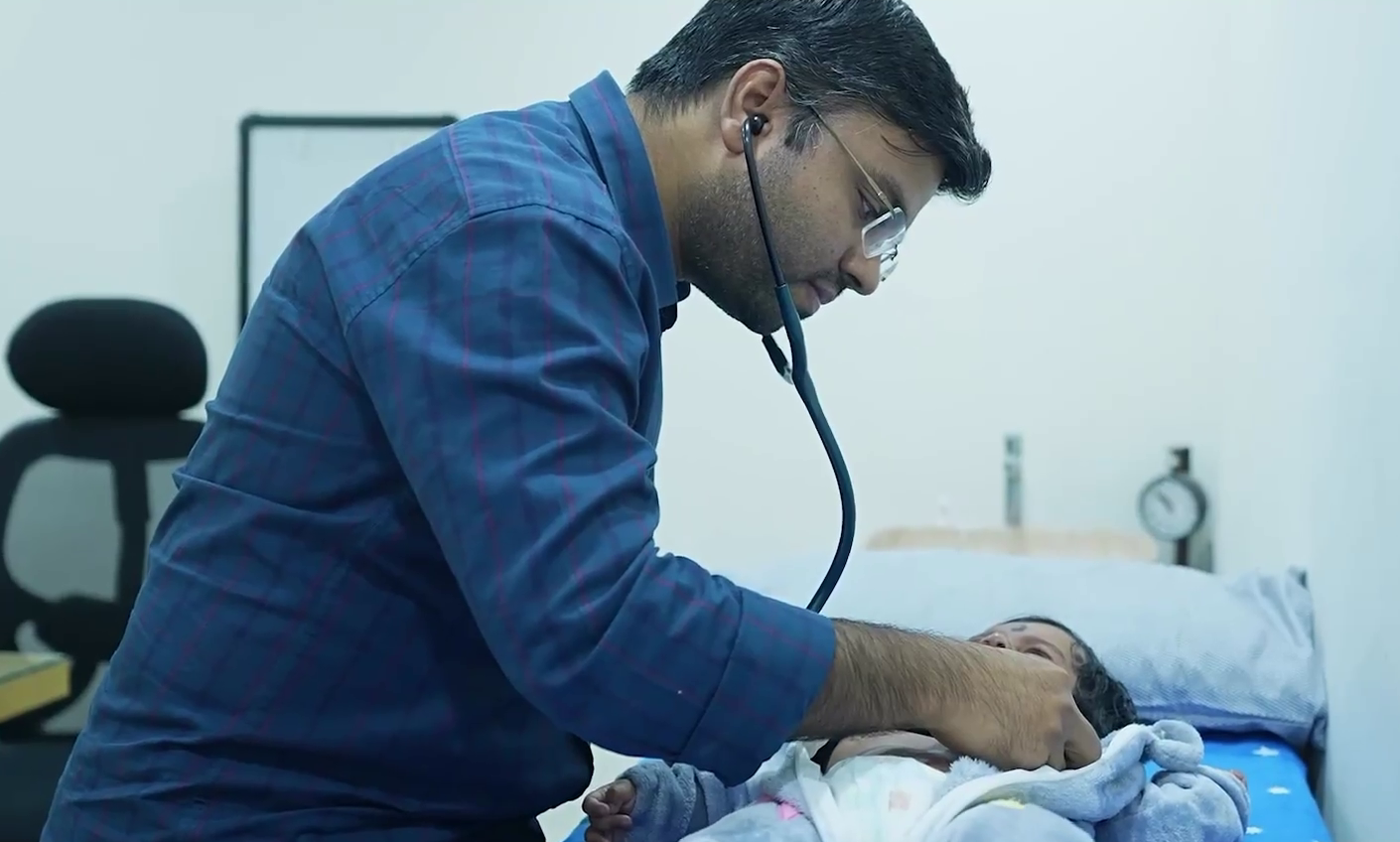

Causes, Risks, NICU Care, Prevention, and the Indian Scenario
Prematurity and Preterm Births: Why They Matter More Than Ever
Prematurity, also called preterm birth, is one of the most important challenges in newborn and child health. A baby is called preterm when he or she is born before 37 completed weeks of pregnancy. A normal pregnancy usually lasts around 40 weeks, and the last few weeks of pregnancy are very important for the baby’s brain, lungs, feeding ability, temperature control, immunity, and overall growth.
According to the World Health Organization, an estimated 13.4 million babies were born preterm in 2020, and preterm birth complications remain one of the leading causes of death in children under five years of age. WHO also notes that about three-fourths of deaths related to prematurity could be prevented with currently available, cost-effective interventions. (World Health Organization)
This makes prematurity not only a medical issue but also a major public-health priority. With better antenatal care, safer deliveries, modern NICU care, skilled neonatologists, trained neonatal nurses, and proper follow-up, many premature babies can survive and grow well.
For parents looking for newborn and child-care support, reliable pediatric and neonatology services can be explored through platforms such as VRA Health Pediatrics & Neonatology, Cygnet Superspeciality Clinics, and Best Pediatrician.
What Is Preterm Birth?
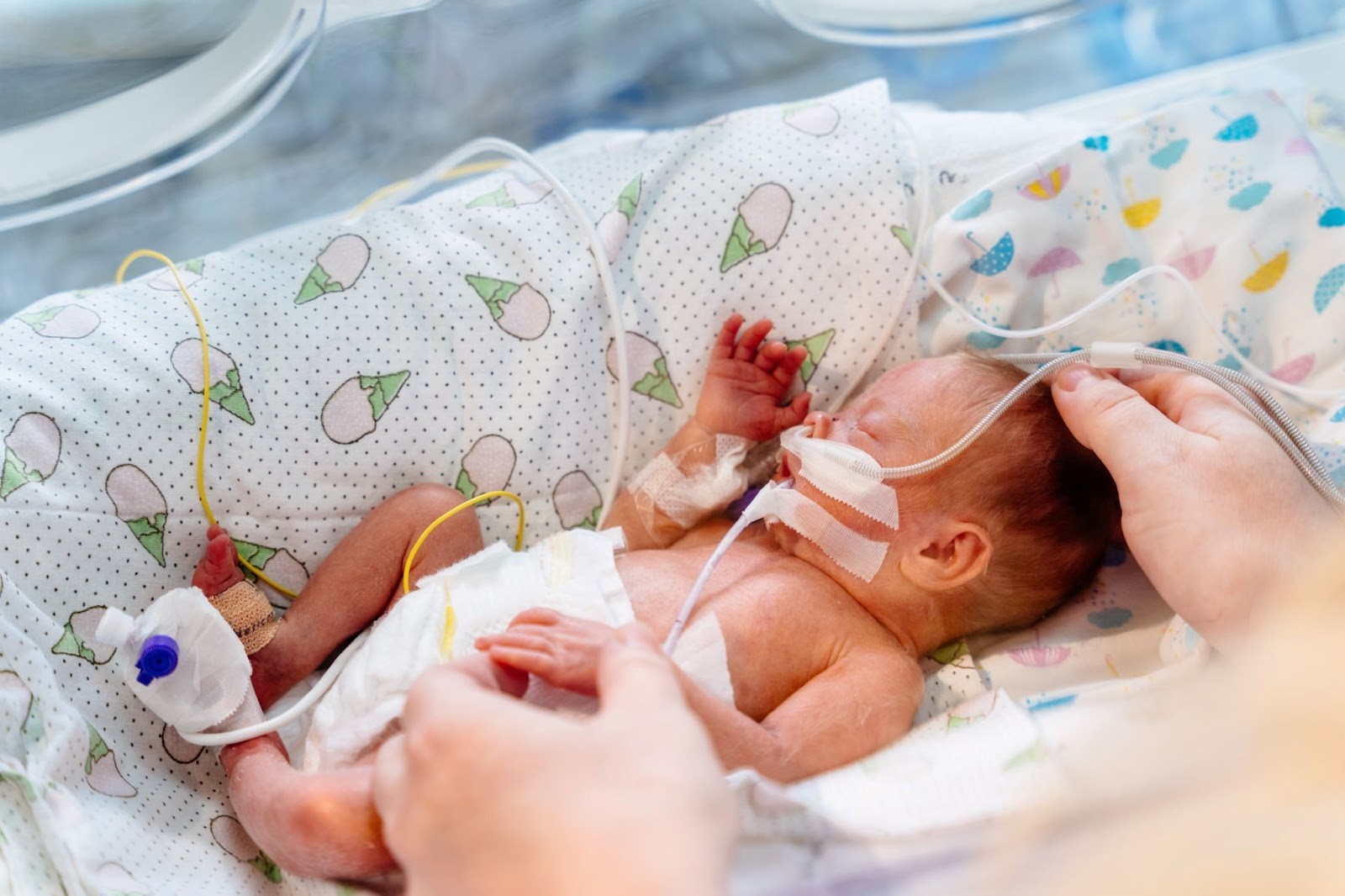
A baby born before 37 completed weeks of pregnancy is called a preterm baby or premature baby. WHO classifies preterm birth into three major groups: extremely preterm, less than 28 weeks; very preterm, 28 to less than 32 weeks; and moderate to late preterm, 32 to 37 weeks. (World Health Organization)
The earlier the baby is born, the higher the risk of complications. However, even late preterm babies, born between 34 and 36 weeks, may still face problems such as feeding difficulty, jaundice, low sugar levels, breathing issues, poor temperature control, and higher risk of hospital readmission.
Why the Last Few Weeks of Pregnancy Are Important
Many parents feel that a baby born at 34, 35, or 36 weeks is “almost full term.” While many late preterm babies do well, they are still physiologically immature compared with full-term babies.
During the last weeks of pregnancy, the baby’s lungs mature further, the brain grows rapidly, body fat increases, sucking and swallowing coordination improves, immunity gets stronger, and temperature control becomes better. When birth happens early, the baby may need extra medical support until these systems mature.
This is why delivery timing should always be decided carefully by the obstetrician and neonatologist, especially in high-risk pregnancies.
Causes of Prematurity and Preterm Birth
Preterm birth can happen spontaneously, or it may be medically planned when continuing the pregnancy becomes risky for the mother or baby.
Common causes and risk factors include previous preterm birth, twin or multiple pregnancy, maternal hypertension, preeclampsia, diabetes, infections, urinary tract infection, premature rupture of membranes, cervical weakness, placenta previa, placental abruption, fetal growth restriction, maternal anemia, smoking, poor nutrition, short spacing between pregnancies, assisted reproductive technology pregnancies, and certain congenital fetal conditions.
In many cases, no single cause is identified. Prematurity is often the result of multiple maternal, fetal, placental, social, and biological factors acting together.
Warning Signs of Preterm Labor
Pregnant mothers should seek urgent medical care if they notice regular uterine contractions before 37 weeks, lower abdominal cramps, back pain, leaking of fluid from the vagina, bleeding, pelvic pressure, reduced fetal movements, or sudden watery discharge.
Early recognition is important because timely treatment may help delay delivery in selected cases, give antenatal steroids for lung maturity, treat infections, transfer the mother to a better-equipped center, and prepare a neonatal team for safe delivery.
Common Problems Faced by Premature Babies
Premature babies are not just small babies. Their organs are still developing, so they need specialized care.
1. Breathing Problems
The lungs of premature babies may not produce enough surfactant, a substance that helps keep the air sacs open. This can cause respiratory distress syndrome. Some babies need oxygen, CPAP, surfactant therapy, or mechanical ventilation in the NICU.
2. Feeding Difficulty
Preterm babies may not have mature sucking and swallowing coordination. They may need expressed breast milk through a feeding tube until they become strong enough to breastfeed directly.
3. Low Body Temperature
Premature babies lose heat quickly because they have thin skin and less body fat. They may require radiant warmers, incubators, warm clothing, and kangaroo mother care.
4. Low Blood Sugar
Preterm and low birth weight babies are at risk of hypoglycemia. Regular monitoring and early feeding are important.
5. Jaundice
Jaundice is common in newborns, but premature babies are at higher risk of significant jaundice and may need phototherapy.
6. Infection
Premature babies have immature immunity and are more vulnerable to sepsis. Strict hand hygiene, infection-control practices, breastfeeding, and careful monitoring are essential.
7. Brain and Developmental Concerns
Very premature babies may be at risk of brain bleeding, developmental delay, hearing issues, vision problems, and learning difficulties. This is why long-term follow-up is as important as NICU survival.
NICU Care for Premature Babies
A Neonatal Intensive Care Unit, or NICU, provides advanced care for babies who are premature, low birth weight, or medically unstable. NICU care may include respiratory support, incubator care, intravenous fluids, antibiotics, phototherapy, tube feeding, nutritional support, monitoring of oxygen and vital signs, blood tests, ultrasound, and developmental supportive care.
At the same time, modern neonatology strongly supports gentle, family-centered care. Parents are encouraged to participate in the baby’s recovery through touch, bonding, expressed breast milk feeding, kangaroo mother care, and learning newborn danger signs before discharge.
For families in Hyderabad and nearby areas, pediatric and neonatology consultations may be accessed through VRA Health, where newborn care and neonatal follow-up are listed as part of pediatric and neonatology services. VRA Health also lists pediatric and neonatology expertise including newborn care, vaccinations, pediatric infections, asthma, allergies, growth monitoring, nutrition counselling, and developmental assessments. (vrahealth.com)
Kangaroo Mother Care: A Powerful Intervention
Kangaroo Mother Care, commonly called KMC, means placing the baby skin-to-skin on the mother’s or father’s chest. It is especially useful for stable preterm and low birth weight babies.
KMC helps maintain temperature, improves breastfeeding, supports bonding, stabilizes breathing and heart rate, reduces infection risk, and may shorten hospital stay. It is one of the most powerful low-cost interventions in neonatal care.
Parents should learn KMC from trained neonatal staff and continue it at home when advised.
Breast Milk for Premature Babies
Mother’s milk is the best nutrition for most premature babies. It is easier to digest, supports immunity, reduces infection risk, and helps gut development. When the baby cannot suck directly, expressed breast milk can be given through a tube, spoon, paladai, or other medically advised method.
In very small babies, additional fortification may sometimes be needed under medical supervision. Lactation support is very important because mothers of premature babies often face stress, delayed milk expression, and anxiety.
Discharge Planning for a Preterm Baby
A premature baby is usually discharged only when the baby can maintain body temperature, feed adequately, gain weight, breathe without significant support, maintain oxygen levels, and remain clinically stable.
Before discharge, parents should understand feeding frequency, medication if any, follow-up schedule, vaccination plan, danger signs, temperature care, hygiene, breastfeeding support, and emergency contact points.
Preterm babies need structured follow-up for growth, nutrition, anemia, bone health, vision, hearing, neurodevelopment, immunization, and respiratory health.
Parents can also refer to child-health resources from trusted pediatric platforms like BestPediatrician.in for awareness-oriented pediatric education and newborn-care guidance.
Can Preterm Birth Be Prevented?
Not all preterm births can be prevented, but many risks can be reduced with good antenatal care.
Important preventive steps include early pregnancy registration, regular antenatal visits, control of diabetes and hypertension, treatment of urinary and vaginal infections, good maternal nutrition, anemia correction, avoiding tobacco and alcohol, adequate rest, spacing pregnancies, cervical-length monitoring in high-risk mothers, progesterone or cervical cerclage where indicated, and timely referral to a higher center if preterm labor risk is identified.
For high-risk pregnancies, a hospital with obstetric and neonatal support is preferable. A planned delivery in the right facility is safer than an emergency transfer after the baby is born.
Prematurity in the Indian Scenario
India has made major progress in maternal and newborn care, but prematurity remains a major challenge because of the country’s large birth volume. UNICEF notes that India has made significant progress in newborn and child survival, and improved access to skilled birth attendants, emergency obstetric care, and newborn services plays an important role in preventing newborn deaths. (UNICEF)
India continues to have a large number of preterm births. A 2025 analysis reported that India witnesses around 12.34% preterm births, highlighting the importance of reducing preterm birth to achieve child-survival goals. (Springer Link)
Government and public-health efforts have expanded newborn care through Newborn Care Corners, Newborn Stabilization Units, and Special Newborn Care Units. This has improved access to facility-based care for sick and small newborns. However, challenges remain in rural areas and smaller towns, including delayed referral, lack of neonatal transport, shortage of trained neonatal nurses, variable quality of NICU care, infection-control gaps, and limited long-term developmental follow-up.
In cities like Hyderabad, access to pediatricians, neonatologists, maternity services, and NICU care is better than in many rural regions. Clinics and platforms such as Cygnet Superspeciality Clinics, where pediatrics and neonatology services are available, can play an important role in antenatal counselling, newborn follow-up, vaccination, growth monitoring, and parental education. Cygnet’s website lists Dr. Raju Vannala under Pediatrics & Neonatology and describes Cygnet as a multispecialty clinic with pediatric and neonatology care. (Cygnet Superspeciality Clinics)
Why Follow-Up After NICU Discharge Is Essential
The journey of a premature baby does not end at NICU discharge. In fact, the post-discharge period is very important.
Follow-up visits help monitor weight gain, feeding adequacy, anemia, calcium and vitamin needs, immunization, eye screening for retinopathy of prematurity, hearing assessment, developmental milestones, muscle tone, respiratory symptoms, and parental confidence.
Some premature babies may need physiotherapy, early stimulation, ophthalmology review, audiology assessment, nutrition support, or pediatric neurology opinion. Early identification of developmental concerns gives the child the best chance for improvement.
When Parents Should Seek Urgent Medical Help
Parents of a preterm baby should seek immediate medical care if the baby has poor feeding, fast breathing, chest indrawing, bluish discoloration, fever, low temperature, repeated vomiting, seizures, abnormal movements, excessive sleepiness, reduced urine output, severe jaundice, abdominal distension, blood in stools, or sudden worsening of activity.
Premature babies can deteriorate quickly, so parents should never delay medical review when danger signs are present.
Role of Parents in the Care of a Premature Baby
Parents are not visitors in neonatal care; they are partners. Their role includes expressing breast milk, practicing kangaroo mother care, maintaining hygiene, learning feeding methods, attending follow-up visits, tracking growth, completing vaccinations, and providing emotional warmth.
Prematurity can be stressful for families. Counselling, reassurance, clear communication, and family-centered care help parents feel confident and involved.
Conclusion
Prematurity and preterm births are among the most important concerns in newborn health. A baby born before 37 weeks may need specialized medical care, but with timely antenatal planning, skilled delivery support, NICU care, breastfeeding, kangaroo mother care, infection prevention, and structured follow-up, many premature babies can grow into healthy children.
In India, the burden of prematurity remains high, but outcomes are improving because of better awareness, facility-based newborn care, trained neonatology teams, and improved access to pediatric services. The next step is to focus not only on survival, but also on healthy growth, neurodevelopment, nutrition, and long-term quality of life.
For parents, the most important message is simple: early pregnancy care, timely recognition of warning signs, delivery in the right facility, and regular pediatric follow-up can make a life-changing difference for premature babies.
FAQ: Prematurity and Preterm Births
What is a preterm baby?
A baby born before 37 completed weeks of pregnancy is called a preterm or premature baby.
Is a 36-week baby premature?
Yes. A baby born at 36 weeks is called a late preterm baby. Many do well, but they may still need monitoring for feeding, jaundice, temperature, breathing, and sugar levels.
Do all premature babies need NICU care?
Not all, but many premature babies need observation or NICU care depending on gestational age, birth weight, breathing, feeding, temperature control, and overall stability.
Can premature babies grow normally?
Yes. Many premature babies grow and develop well with good NICU care, breastfeeding support, nutrition, vaccination, and regular developmental follow-up.
What is the biggest risk for premature babies?
The risks depend on how early the baby is born. Common risks include breathing difficulty, feeding problems, infection, jaundice, low temperature, low sugar, and developmental concerns.
How can parents help a premature baby?
Parents can help through breast milk feeding, kangaroo mother care, hygiene, regular follow-up, vaccination, growth monitoring, and early recognition of danger signs.
When should a premature baby be taken to the hospital urgently?
Seek urgent care if the baby has poor feeding, fast breathing, fever, low temperature, bluish color, severe jaundice, seizures, excessive sleepiness, vomiting, or reduced urine output.